Dating Coach vs Therapist: Which One Do You Actually Need?
Sometimes you need a sympathetic ear, the other times you need a game plan
If you're comparing a dating coach and a therapist, you're probably trying to figure out which one will actually move your love life forward. Here's the honest answer, broken into four real differences.
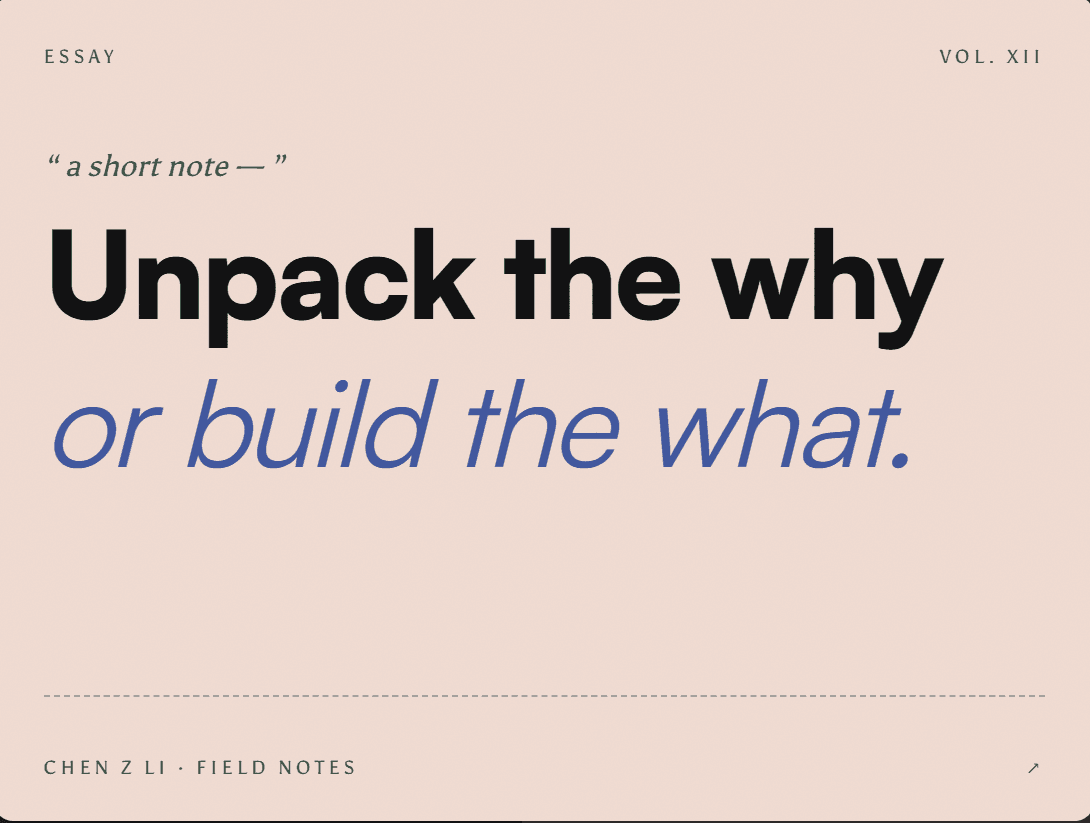
1. Therapists Unpack the Why. Coaches Build the What.
A therapist's job is to help you understand yourself. Why you avoid certain people. Why you keep repeating the same patterns. Why you feel what you feel. That work is real and it matters.
But a coach focuses on what to do next. Take a concrete example: "I have trouble approaching people and starting conversations." A therapist could dig into that for months and eventually surface the root fear behind it. Useful, sometimes essential.
What I need to know as a coach is different. I need to know where you currently are, what your actual skill level looks like in the field, and what the right next rep is. From there I build an action plan. I care about your psychology and background only enough to design that plan. The plan is the point.
2. Therapists Are Paid to Listen. Coaches Are Paid for Results.
This is the cleanest structural difference between the two.
Therapy is usually open-ended. You pay an hourly rate, you can talk about almost anything, and the relationship can last for years. The incentive is to provide a steady, supportive space.
Coaching is the opposite. I'm working inside a defined 90-day window and my incentive is to get you a measurable shift in that time. That requires active feedback, homework, and real changes to what you do between sessions. You can't passively show up to coaching and have it work. If you're not actually changing behavior, I'm not doing my job, and you're wasting your money.
If you want someone to listen, hire a therapist. If you want a shift, hire a coach.
3. The Expertise Is in Completely Different Fields.
Yes, there are therapists who specialize in dating or relationships. Couples counselors exist. But their training is in mental health, and their tools are mental health tools.
What I work on as a coach is a specific stack: social skills, emotional calibration, conversational mechanics, how to plan a date, how to build chemistry, how to be a good partner once you're in a relationship. These are skills. They link together. You can't fix one without the others.
Sports analogy. Say you're playing basketball and you keep missing free throws under pressure. A therapist for athletes might help with your mental game and how you handle the pressure in the moment. Fine, and useful. A coach builds your free throw mechanics so thoroughly that by the time you're at the line in the game, the pressure is secondary because the rep is automatic. Both can help. They're solving different problems.
So the question is: where's your actual bottleneck? If it's emotional scar tissue, real wounds from a divorce or a long-term relationship ending badly, see a therapist. That's the right tool. If you're starting closer to scratch, or you don't know where to go, or you've done the inner work and still can't translate it into actual dates, a coach is the better fit.
4. Action Is the Only Thing That Changes Reality.
This is the deepest difference and it's worth sitting with.
Confidence in dating doesn't come from thinking about confidence. It doesn't come from journaling about it, talking about it, or being told you should feel more confident. It comes from going out, doing reps, surviving the awkward ones, and learning through experience that you can handle it.
Dating is reality-based. A girlfriend or a boyfriend isn't a concept you work through internally. They're a real person you have to actually meet, actually talk to, actually build something with. The only thing that gets you there is action.
Therapy can prepare you to take that action. Coaching is the action itself, structured and supported.
The Bottom Line
Therapists are for understanding. Coaches are for doing. If you've been understanding yourself for years and your dating life still hasn't moved, you've probably been paying the wrong professional.